THE CLIENT: EDISON TOWNSHIP PUBLIC SCHOOLS, NEW JERSEY

Edison didn't buy a platform. They built one with us.

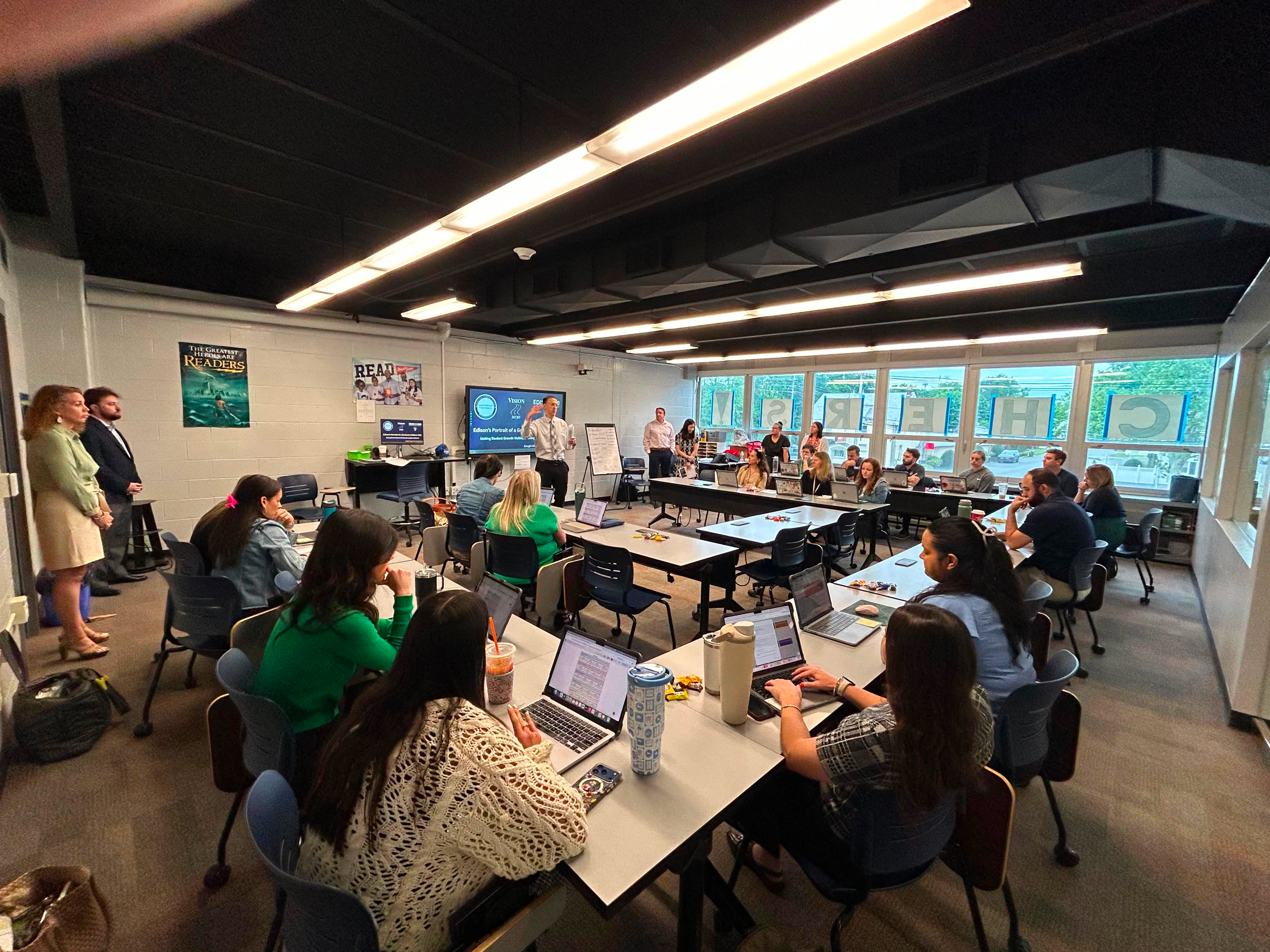
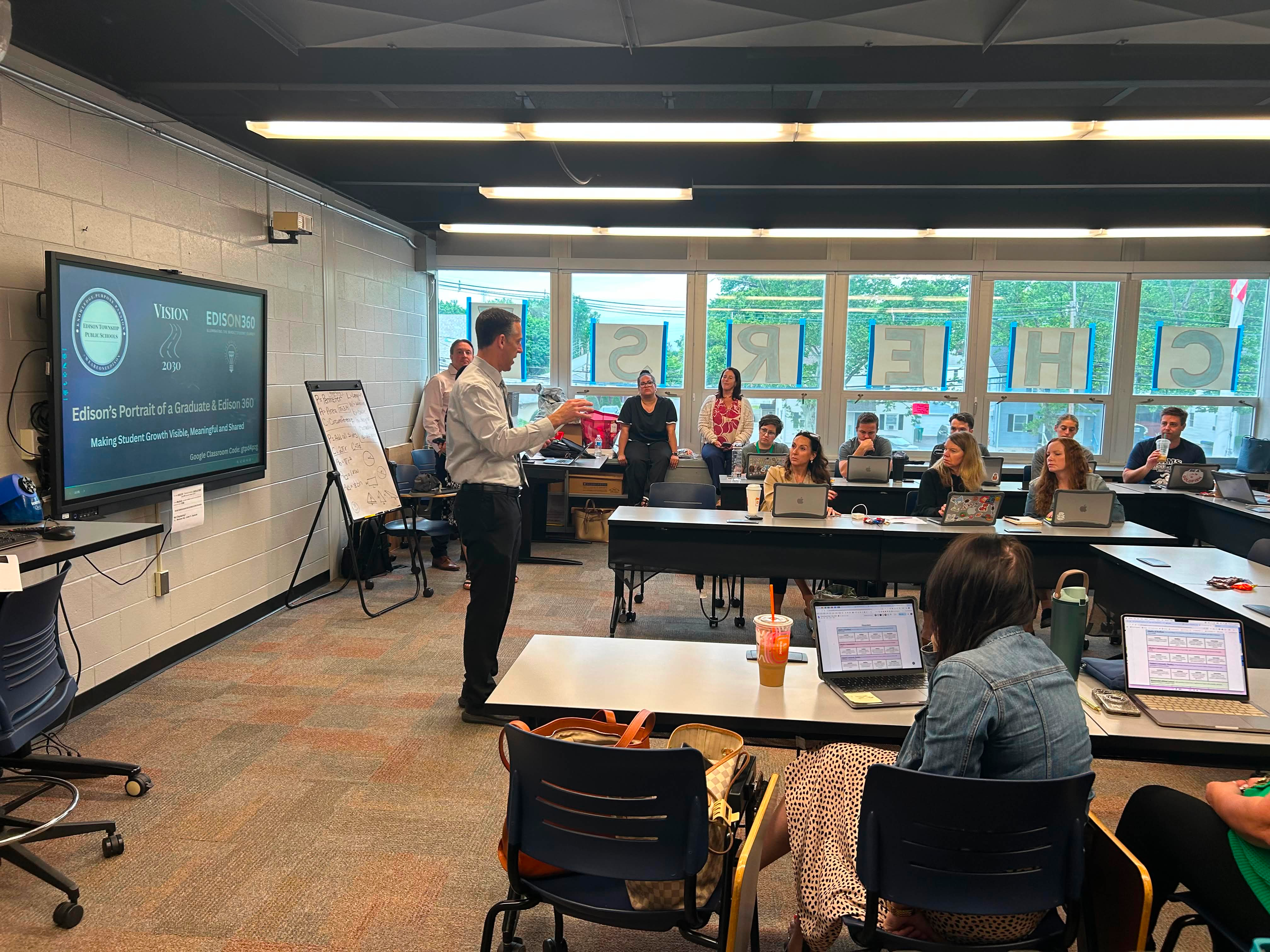
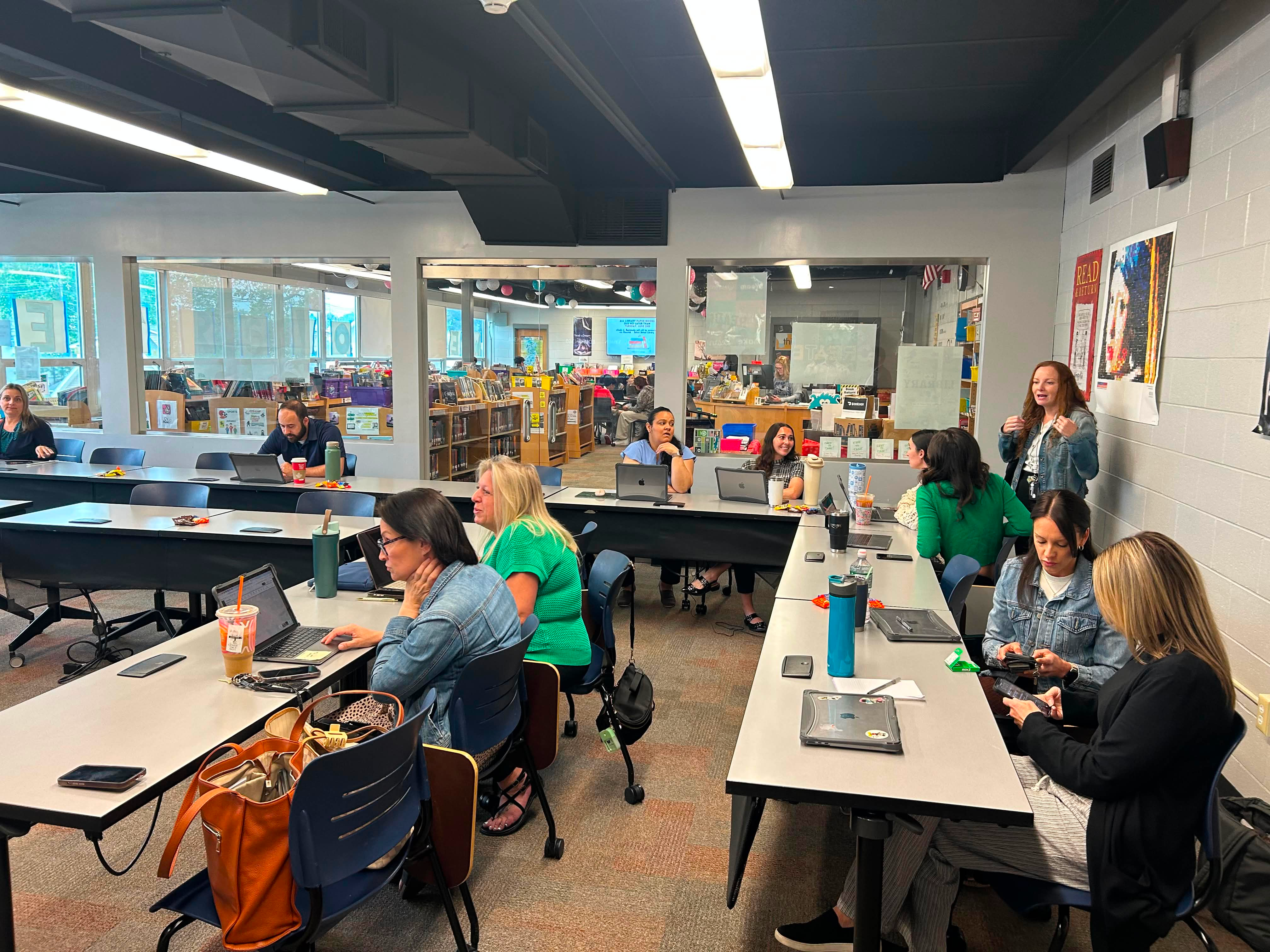
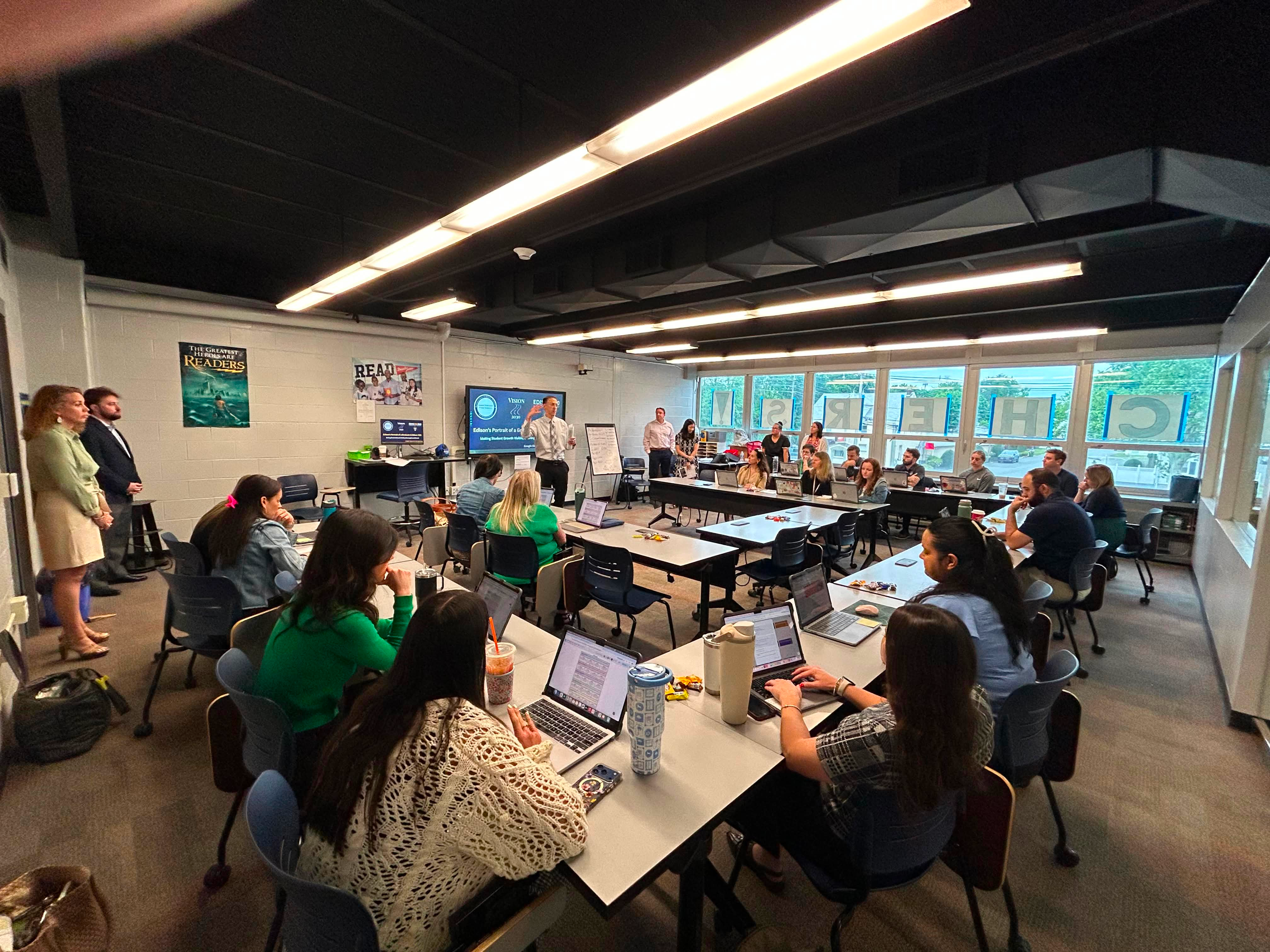
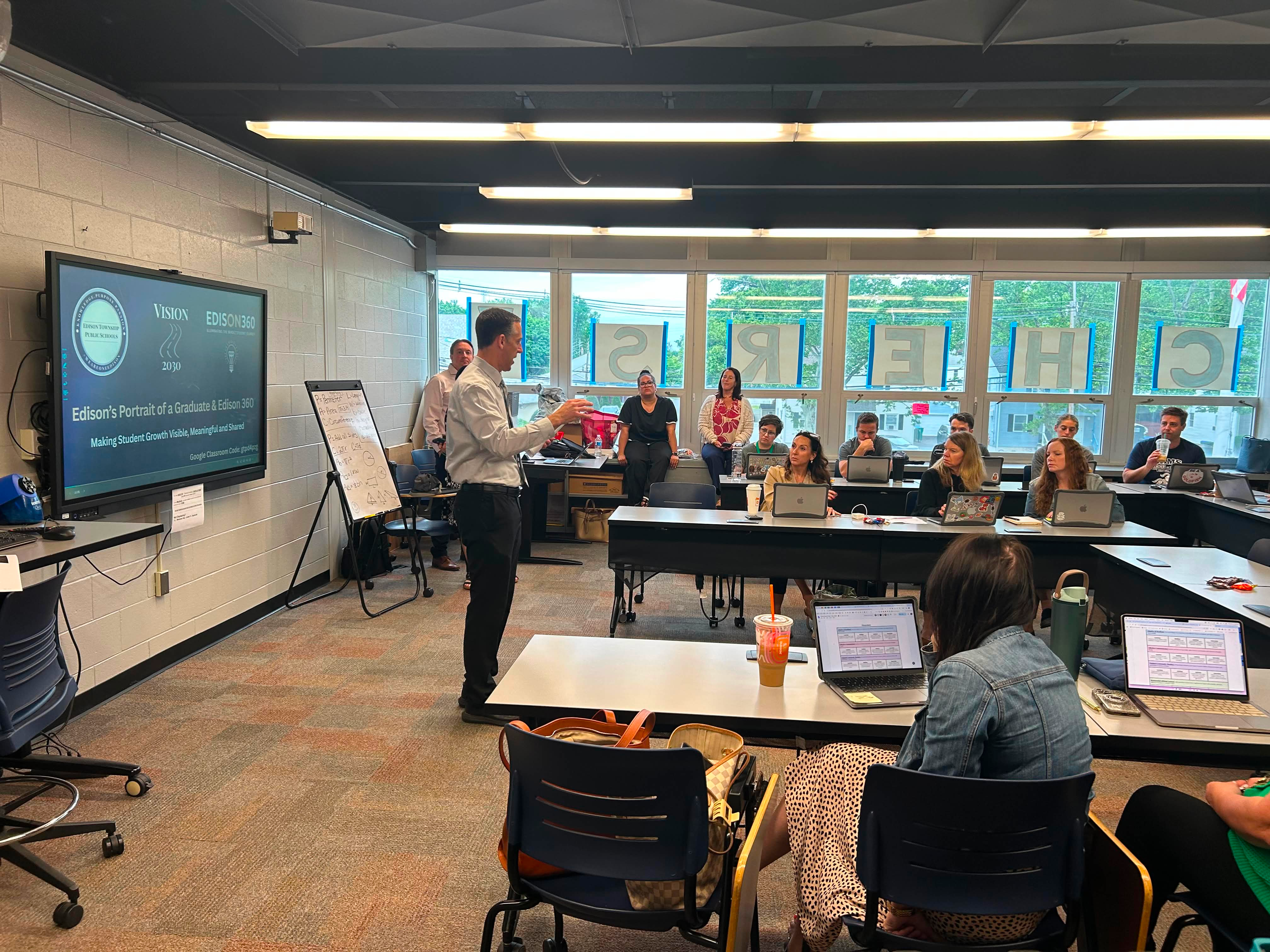
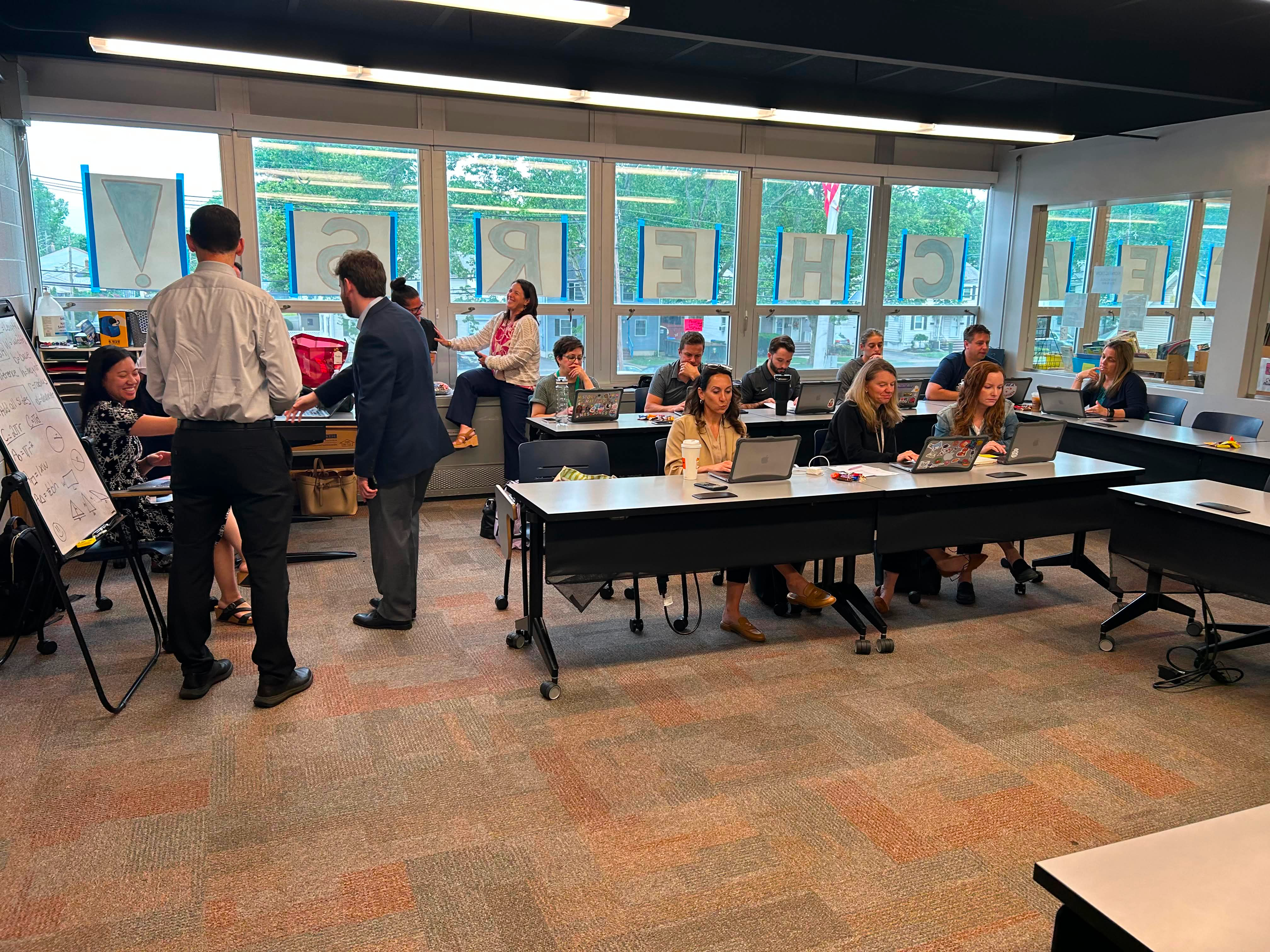
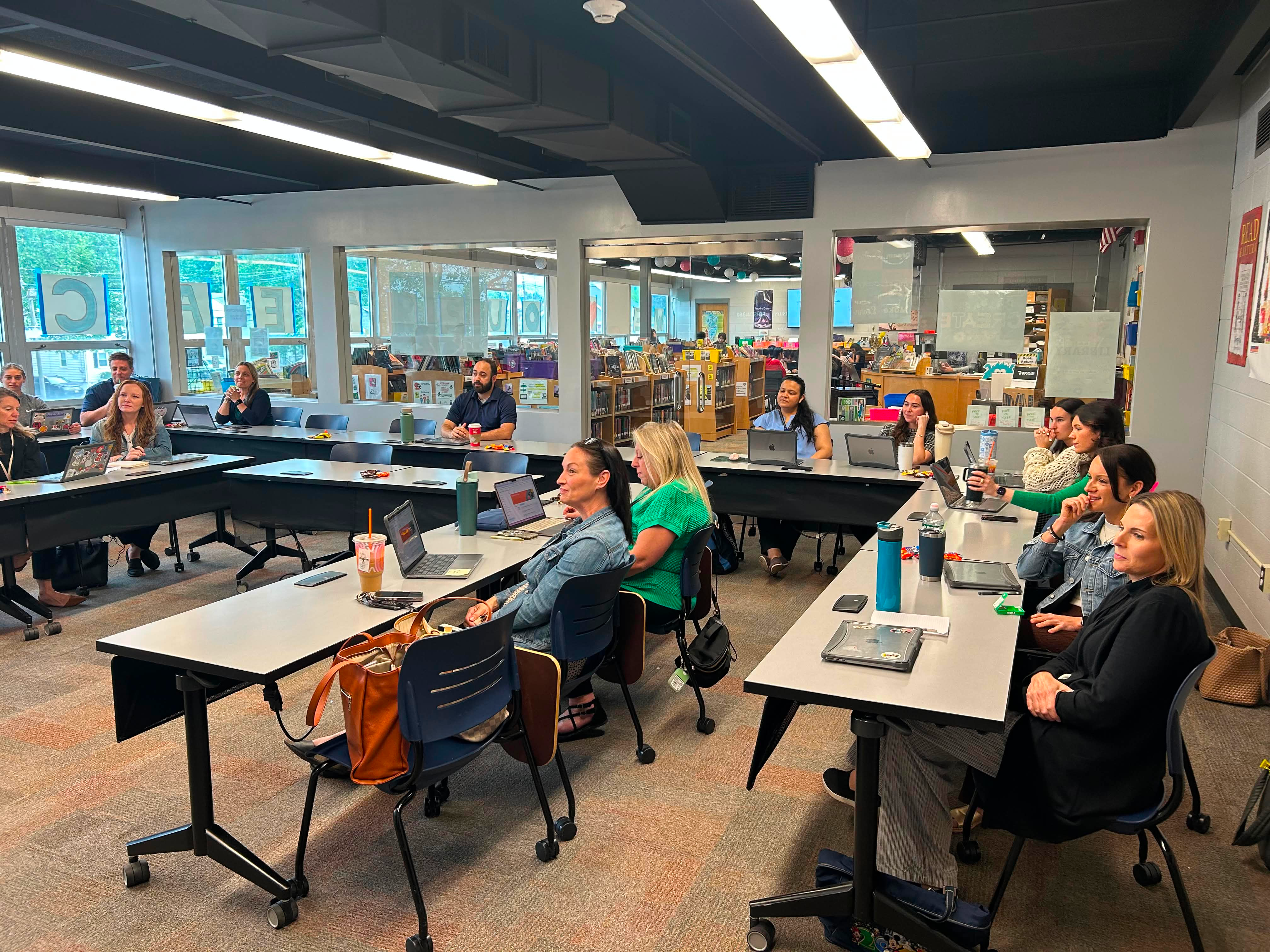
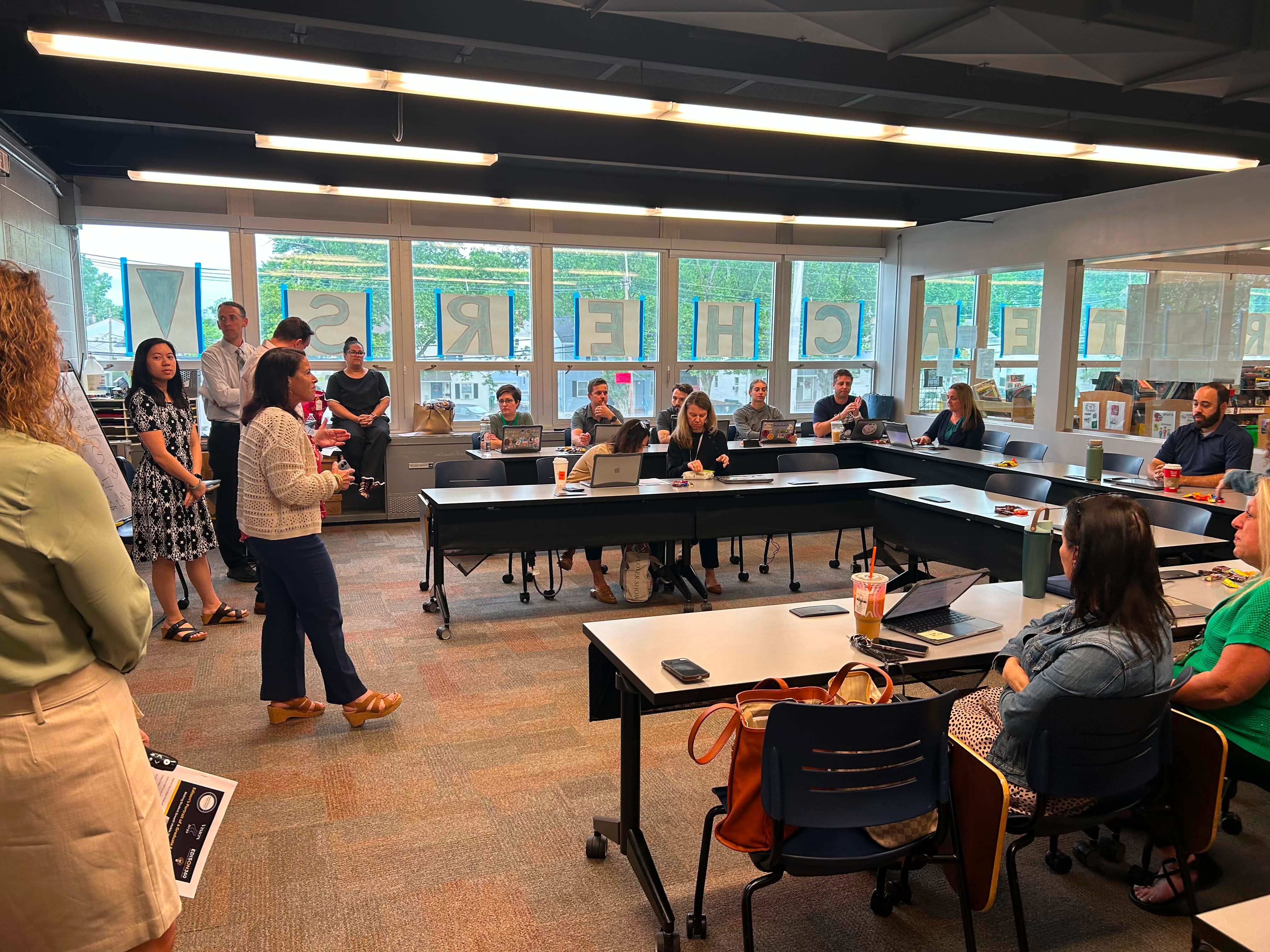
Three administrators from Edison Township Public Schools skipped the usual round of vendor demos. Instead, they sat at the table while the product took shape, phase by phase, decision by decision. The pilot opens in September 2026. This case study follows the collaborative journey from vision to rollout.
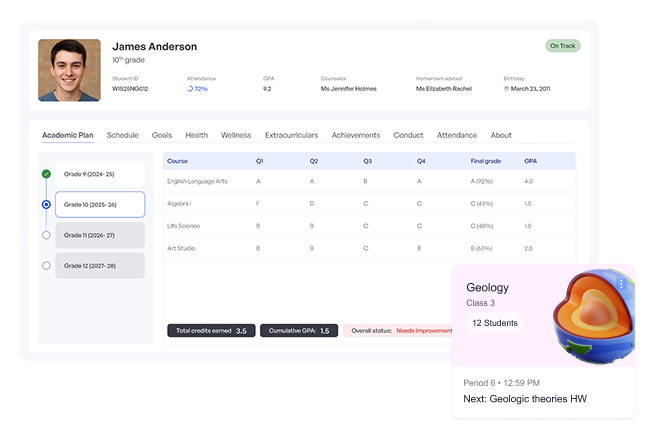
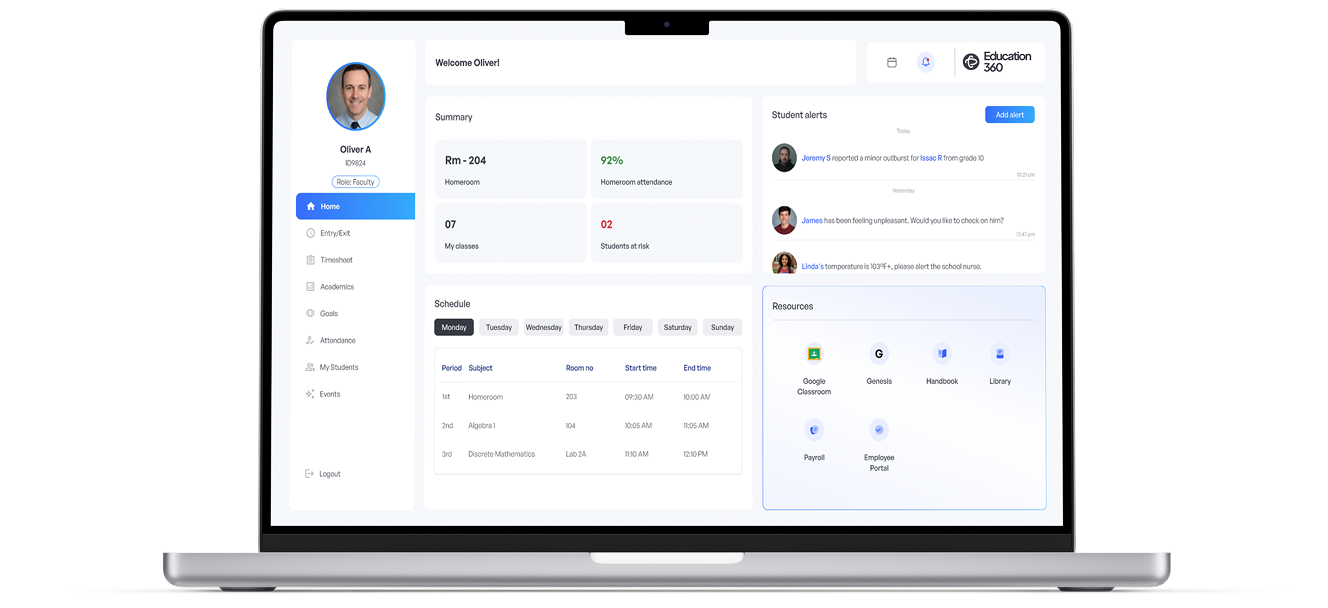
UI Dashboard
The Challenge

A teacher needed one answer about one student. It took five logins to find it.

Before this work began, Edison Township relied on multiple disconnected systems to manage student information. Attendance lived in one system. Assessments lived in another. Interventions, family communication, and student records each had a separate home, and none of those systems talked to each other. Teachers spent valuable time searching across systems instead of preparing for the classroom.

Attendance System
×
Assessment Platform
×
Intervention Tools
×
Family Communication
×
Student Records
FIVE SYSTEMS. FIVE LOGINS. FIVE PLACES TO LOOK. NO SINGLE VIEW OF THE STUDENT.

"Information about students lived in different places. We knew it. Everyone knew it. We just hadn’t found a way to start fixing it."

Elementary Leadership Team
Edison Township
The Solution

They didn’t adopt a platform. They co-designed one.

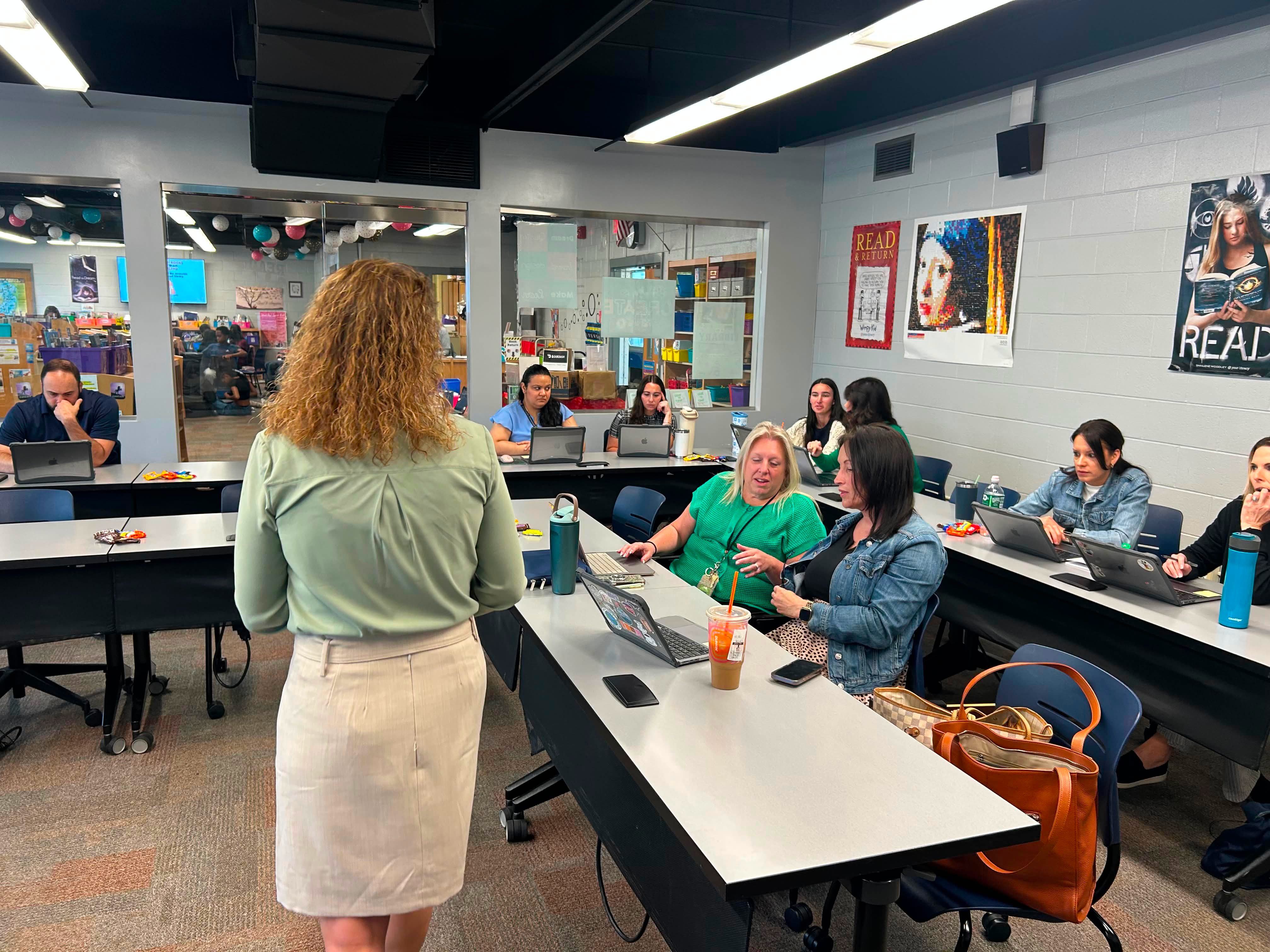
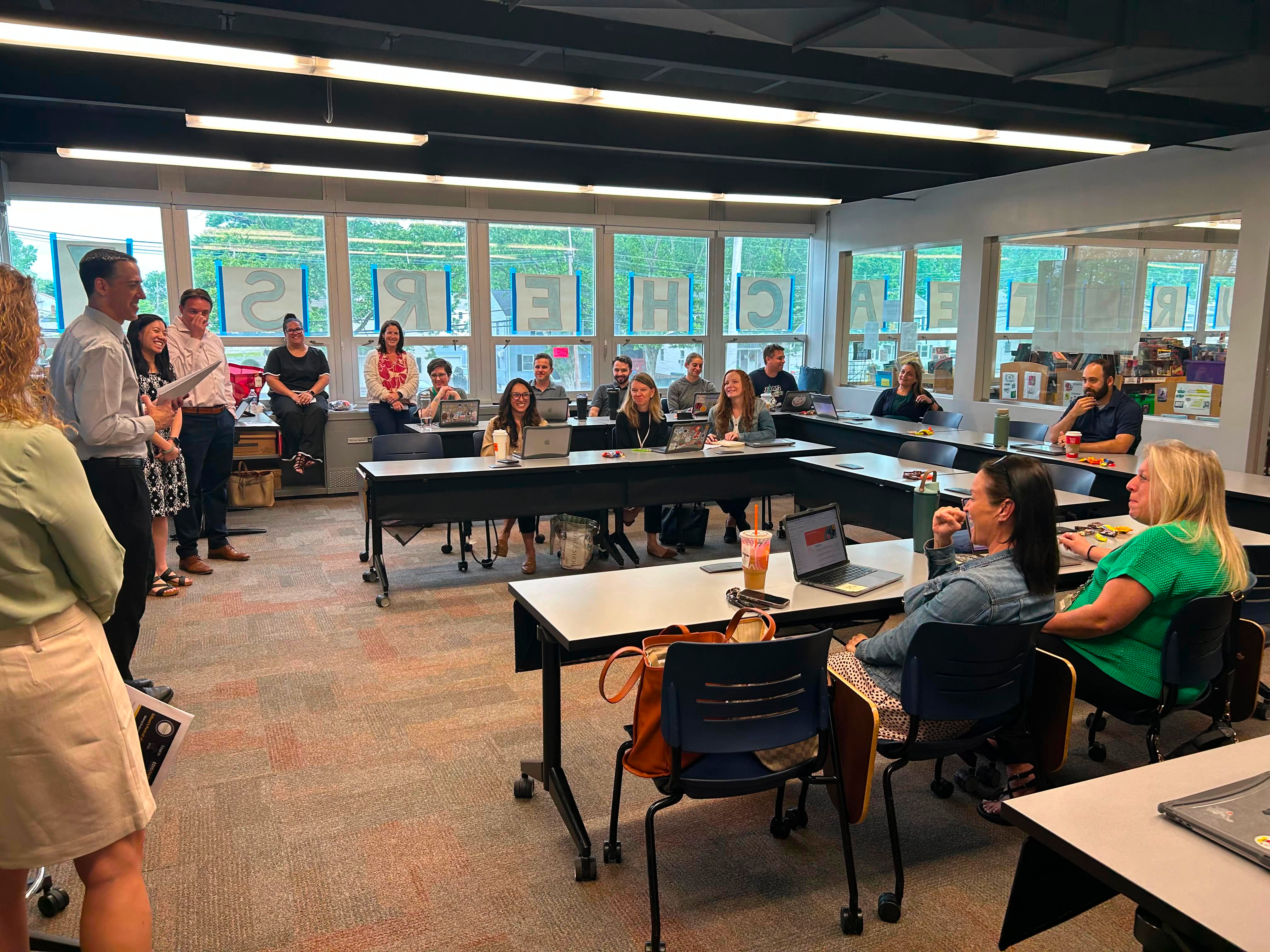
The Edison team never sat on the receiving end of a demo. They mapped their own workflows, questioned ideas that looked good on a slide but wouldn’t hold up in a classroom, and worked alongside XDuce Public Services through five structured phases to shape the platform.

Vision Workshops
Vision Workshops
Stakeholder Sessions
Gap Mapping
Gap Mapping
Co-Design Sprints
Co-Design Sprints
District Security Review

Vision Workshops

Defining what one connected view should mean

  • Define what a "single view of the student" should include
  • Align district leadership around shared goals and outcomes
  • Identify the most critical educator workflows to improve
  • Prioritize the data and insights teachers need every day
  • Establish success metrics for the pilot and future rollout
Vision Workshops

Stakeholder Sessions

Gathering input from across the district

  • Engage teachers, administrators, and support staff
  • Understand unique pain points in different departments
  • Ensure diverse representation in product feedback
  • Map out daily communication channels and barriers
  • Consolidate findings into actionable product requirements
Stakeholder Sessions

Gap Mapping

Identifying systemic workflow disconnects

  • Audit existing software tools and data silos
  • Document manual workarounds used by educators
  • Pinpoint where critical student data gets lost
  • Evaluate the limitations of current reporting systems
  • Outline the necessary data integrations for success
Gap Mapping

Co-Design Sprints

Collaborating on the ideal solution

  • Facilitate rapid prototyping with end-users
  • Test early interface concepts and dashboard layouts
  • Iterate on features based on direct teacher feedback
  • Refine the user experience for maximum efficiency
  • Finalize the core functionalities for the MVP
Co-Design Sprints

District Security Review

Ensuring compliance and data protection

  • Conduct comprehensive technical security audits
  • Verify compliance with FERPA and local privacy laws
  • Establish robust user authentication protocols
  • Review data encryption standards and storage policies
  • Approve the platform for district-wide deployment
District Security Review
EDISON’S PILOT LAUNCHES SEPTEMBER 2026.

Elementary School Leadership

"What we pushed for that made it into the product..."

Middle School Leadership

"What we had to let go of..."

Assistant Principal Perspective

"What surprised us most about our own schools..."

Laptop Dashboard
The Results

Edison’s first connected school year begins in September 2026

When school opens in September, teachers will log in once. Everything they need about a student (attendance, assessments, interventions, family communication) will be in one place. Not because a vendor sold it to them. Because the district built it for itself.

Before Education360

  • Teachers logged into five separate systems each day
  • No single view of attendance, assessment, and intervention data together
  • Reports required manual data pulls across platforms
  • Decisions made on incomplete or outdated information

Starting September 2026

  • One login gives access to the full student record
  • Every authorized educator sees a connected picture of each student
  • Real-time information is available the moment it is needed
  • District leadership and classroom teachers work from the same data
See your own numbers

Before we go further, what does this look like for your district?

Edison’s story is specific to Edison. The math behind it isn’t. Every district running on disconnected systems is paying for that fragmentation somewhere, whether in dollars, staff time, or decisions made without the full picture. Take a minute and see where your own numbers land.

The Opportunity

Once the data lives in one place, better questions become possible

Edison’s pilot starts with something simple: connection. But connection is the foundation everything else sits on. Once the data is unified, AI stops being a buzzword and starts being a tool. Patterns become visible. Risk becomes something you can see coming. Teachers get answers surfaced for them in the morning instead of hunting for them between classes.

Bullet

What should a new teacher see the moment they log in?

Bullet

Where are teachers losing time that technology could give back?

Bullet

How fast can a new question become an actual answer?

The Takeaway

What Edison Township would tell other districts facing the same challenge

Edison's co-design experience offers a practical frame for K-12 districts that recognize the same fragmentation in their own systems. The advice below reflects what district administrators said they would share with a counterpart starting from where Edison started.

01

Understand what you already have

Most districts don’t have a tools problem. They have a visibility problem about their own stack.

02

Talk to your team before you talk to a vendor

The problem definition matters more than the solution you eventually pick.

03

Build with a partner. Don’t just buy from one

Process matters as much as the product that comes out of it.

04

Start small and keep the scope tight

You don’t have to replace everything on day one. You shouldn’t.

05

Define success in outcomes, not features

What do you want to be true for your students by the end of year one? Start there.

Get started with a free 90-minute SmartEducation discovery session

XDuce offers a complimentary SmartEducation workshop for New Jersey school district leadership teams. The session walks through your current technology stack, maps where student data is fragmented, and identifies the most practical first step, whether or not it leads to a product engagement. Districts leave with a clear picture of their current state and a recommended path forward.

No cost

No cost

XDuce covers the discovery session at no charge to the district.

No vendor pitch

No vendor pitch

If there is nothing worth building, the team will say so directly.

Your team

Your team, our facilitation

90 minutes, available on-site or virtually, on your schedule.